
Here are two ready-to-run scripts, plus where to grab a safety checklist and a scene card template so you can build your own. Both scripts below are copy-paste starting points. Adjust names, roles, and language to match your dynamic before you use them.
Script 1: First Scene Ritual (best for a new dominant or a first-time pair wanting structure)
- Purpose: build trust and establish authority through simple, clear commands.
- Props: blindfold, a single flogger or hand, a chair.
- Timing: 30 minutes total.
- Safeword: “red” stops everything; “yellow” means slow down.
- Aftercare: “Come here. You did exactly what I asked.” Followed by water and five quiet minutes together.
Script 2: Sensory Edging Session (best for an experienced top who wants rhythm and control)
- Purpose: build anticipation through denial and sensory contrast.
- Props: ice, a feather, a vibrator, restraints.
- Timing: 45 minutes.
- Safeword: “red” to stop, “pause” to hold position.
- Aftercare: unwrap slowly, offer a blanket, and ask, “What felt good?”
Customization tip for both: swap one prop for something already in your space, and cut the timing in half if it’s your first attempt. The full safety checklist and one-page scene card template appear further down.
Key Takeaways
Effective BDSM scene scripts combine a three-act structure, four pressure fields, explicit negotiation, and a scripted aftercare sequence, and privacy-first apps like Mistrix now let you draft and store that structure securely.
| Point | Details |
|---|---|
| Use ready scripts as templates | Adapt the first-scene and edging scripts by swapping props and cutting timing for a first attempt. |
| Structure beats improvisation | Follow warm-up, intensity, and cool-down phases built around one goal, opposition, stakes, and a turning point. |
| Negotiate before every scene | Confirm roles, limits, medical issues, safeword, and aftercare needs using the copyable prompts above. |
| Build a one-page scene card | Fill seven fields, pick two sensory anchors, and plan two check-ins to draft a script in minutes. |
| Mistrix drafts and stores scripts securely | Its onboarding quiz, hard limits, and client-side PIN encryption turn your scene card into a guided, consent-enforced session. |
Table of Contents
- What Structure Makes a BDSM Scene Script Work?
- How Do You Negotiate a Scene Before It Starts?
- Which Scene Templates Should You Try First?
- What Are the Non-Negotiable Safety Signals?
- How Do You Turn a Scene Idea Into a Script Fast?
- Draft Consent-First Scripts With Mistrix
- Sources
- FAQ
What Structure Makes a BDSM Scene Script Work?
Every effective script follows a shape closer to a short play than a checklist. Practitioner guides consistently point to a three-act structure: warm-up, intensity, and cool-down. Think of the warm-up as roughly the first fifth of your session, the intensity phase as the bulk of your time, and the cool-down as another fifth or so at the close. That ratio is a planning heuristic, not a stopwatch rule. A 20-minute warm-up before a two-hour intensity phase would leave your partner unprepared; a 5-minute cool-down after heavy impact play won’t give anyone’s nervous system time to land.
Warm-up activities set tone without spending your best material: undressing rituals, position commands, light sensation testing. Intensity is where the scene’s actual goal gets pursued, whether that’s endurance, humiliation, or sensory overwhelm. Cool-down slows everything down deliberately: untying, softening your voice, physical comfort.
Beneath that arc, four pressure fields keep a script from wandering: goal (what the top wants to accomplish), opposition (resistance, real or performed), stakes (what happens if the bottom fails or succeeds), and turning point (the moment the scene shifts). A goal like “make her beg” only becomes a script once you add opposition (“she’s told not to speak first”), stakes (“if she speaks, the position holds longer”), and a turning point (“she breaks at minute twelve, and you let her”).
- Limit each scene to two or three activities, not five.
- Choose one sensory contrast (hot/cold, tight/loose, silence/command) rather than stacking several.
- Plan exactly one or two escalation points. More than that and the scene loses its shape.
Pro Tip: Write your turning point before you write anything else. Once you know the exact moment the scene pivots, the warm-up and cool-down almost write themselves.
How Do You Negotiate a Scene Before It Starts?
Negotiation is the part most scripts skip, and it’s the part that actually prevents harm. A short, direct conversation covers roles, hard and soft limits, medical concerns, your safeword or signal, and what aftercare each of you needs. Borrow these lines directly:
- “Tonight I want to be [role]. Are you comfortable with that?”
- “What’s off the table completely, and what’s a maybe with a check-in first?”
- “Any injuries, medications, or conditions I need to know about?”
- “Our safeword is ___. What does ‘yellow’ mean to you?”
- “After we finish, what do you need? Cuddling, silence, water, talking it through?”
Clear consent conversations and structured debriefing show up repeatedly in research on consensual kink practices as the strongest predictor of a scene going well emotionally, not just physically.
| Category | What to confirm |
|---|---|
| Supplies | Safety scissors, first aid kit, water, phone within reach, timer |
| Body checks | Circulation in any tie, temperature of skin, breathing rate |
| Logistics | Privacy, phones silenced, clear exit path, backup plan if something breaks |
| Roles | Who calls a stop if the bottom can’t speak; who checks in mid-scene |
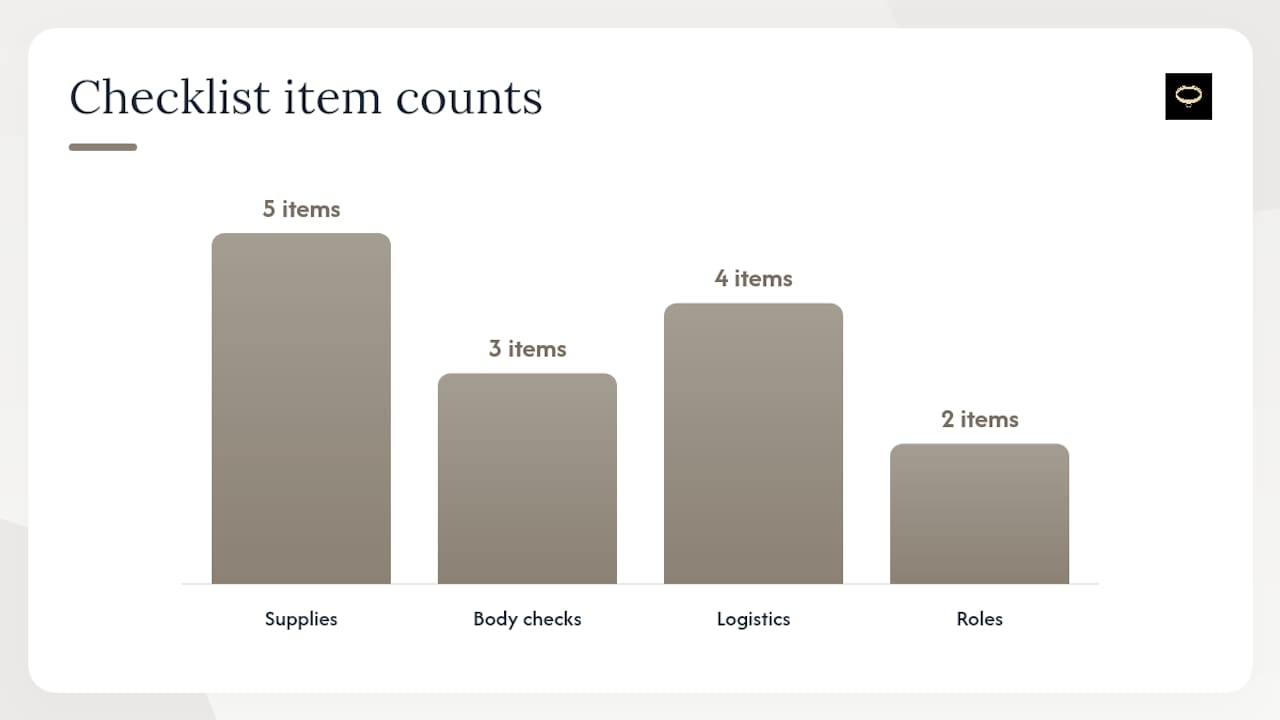
Confirm every logistics item out loud, not just in your head. “Door’s locked, phone’s off, and if either of us taps out three times, we stop” takes ten seconds and prevents most avoidable scene disasters.
Which Scene Templates Should You Try First?
Three templates cover most of what couples and new partners actually want to script. Each one below includes rough timing so you know what you’re committing to before you start.
- Template A: First Scene Ritual. Thirty to 45 minutes. Structure: greeting ritual, position command, light sensation play, verbal affirmation, close. Sample line: “Kneel. Eyes down. Tell me your safeword before we begin.” Keep language simple and repeat the safeword out loud once during warm-up.
- Template B: Sensory Deprivation and Edging. Forty-five to 60 minutes. Structure: blindfold, alternating sensory input (ice, breath, touch), two to three edging cycles, denial pause, release or extended denial. Check in every 8 to 10 minutes with a single word: “Color?” Expect “green,” “yellow,” or the safeword.
- Template C: Ritual or Humiliation Close. Twenty to 30 minutes, best used as a short scene or a closing sequence to a longer one. Structure: brief command sequence, a scripted verbal exchange (“Say it back to me”), de-escalation cue, immediate transition to aftercare. This template runs short on purpose. Humiliation play burns emotional energy fast, and stretching it past 30 minutes usually backfires.
To adapt any of these, swap sensory inputs (feather for ice, voice for touch), soften or sharpen the language to match your partner’s comfort, and add a check-in beat every time you escalate. Scaling duration up or down is simpler than it looks. Cut the intensity phase in half and the ratio still holds.
What Are the Non-Negotiable Safety Signals?
Three signal types cover almost every situation: a hard safeword that stops everything immediately, a color system (green means continue, yellow means slow down or adjust, red means stop), and a nonverbal blackout signal for when someone is gagged or otherwise can’t speak, like dropping an object or tapping three times. Decide which system you’re using before the scene starts, not during it.
A few physical notes matter regardless of experience level. Avoid breath restriction entirely unless you’ve trained specifically for it. Stick to established safe impact zones (glutes, thighs, upper back) and avoid the kidneys, spine, and neck. Check circulation on any rope or restraint every 10 to 15 minutes; numbness or discoloration means untie immediately. Temperature play deserves the same caution, since skin can burn or freeze before anyone notices.
- Untie or unbind first, always, even before talking.
- Offer water and a warm blanket within the first few minutes.
- Use short debrief phrases: “You did so well. How’s your body feeling right now?”
- Follow up 24 to 48 hours later: “How are you feeling about last night? Anything you want to adjust next time?”
Pro Tip: A clear closing ritual, something as simple as removing a collar or saying a specific phrase, signals to the body that the scene is over even when the physical stimulation already stopped.
Guides built around negotiation, structured pacing, and aftercare consistently outperform improvised sessions when it comes to reducing next-day emotional fallout, according to step-by-step planning frameworks used across the kink education space.
How Do You Turn a Scene Idea Into a Script Fast?
A one-page scene card keeps every pressure field in front of you: goal, opposition, stakes, turning point, props, safeword, and aftercare plan. Fill those seven fields first, then pick two sensory anchors (one for warm-up, one for intensity) and pre-plan two check-in moments. That’s usually enough raw material for a 6 to 10 line script.
| Scene card field | Example entry |
|---|---|
| Goal | Bottom holds a position for 10 minutes |
| Opposition | No speaking unless given permission |
| Stakes | Speaking resets the timer |
| Turning point | She breaks silence at minute 8, is allowed to beg |
| Props | Restraints, timer |
| Safeword | “Red” / check-in word “Color?” |
- Fill the pressure fields.
- Choose two sensory anchors.
- Pre-plan two check-ins.
- Write 6 to 10 lines of dialogue or feed the card as a prompt to an AI scripting tool.
This card structure mirrors the format used in scene card templates for writers, and compact scene-planning worksheets built around the same small set of fields, which keeps a script focused instead of sprawling into vague theory.
Draft Consent-First Scripts With Mistrix
Filling out a scene card by hand gets you most of the way there, but Mistrix takes that same structure and builds it into a guided app. During onboarding, you complete a level-assessment quiz and a fetish-interest map, then set mandatory hard limits and a safeword that gets enforced as a hard constraint on every session the AI Domina generates. From there, your Domina proposes personalized scenes and written tasks that already respect the limits you set, so you’re not starting from a blank page every time.

Three quick ways to use it: draft a script by feeding your scene card’s goal and pressure fields into a session; save your hard limits and safeword once, permanently, instead of renegotiating every time; or run a guided dry-run session to test pacing before trying it live with a partner. Every sensitive detail, from your limits to your session history, is encrypted client-side with a PIN only you hold, so the server itself can’t read your personal content.
Explore the full range of BDSM kinks and categories Mistrix supports, or start with a Domina personality built to guide your first scripted session from warm-up to aftercare.
Sources
- How to Plan a BDSM Scene: Step-by-Step Guide & Scripts
- PMC article on consensual kink practices
- Scene Card Template for Novel Writers | SeaBell
- Scene Planning Template | Free Writing Resource
FAQ
What is a BDSM scene script?
A BDSM scene script is a short plan covering the goal, structure, dialogue, and safety steps for a consensual kink session, typically organized into warm-up, intensity, and cool-down phases.
How long should a first BDSM scene be?
Thirty to 45 minutes works well for a first scene, with a short warm-up, most of the time spent on one or two focused activities, and a deliberate cool-down.
What should a safety checklist include?
A safety checklist should include safety scissors, a first aid kit, water, a phone within reach, a timer, and a plan for who stops play in an emergency.
How do I turn a scene idea into a usable script quickly?
Fill a one-page scene card with your goal, opposition, stakes, turning point, props, and safeword, then convert those fields into 6 to 10 lines of dialogue or feed them to a drafting tool like the AI Domina sessions inside Mistrix.
What’s the difference between a safeword and a pause signal?
A safeword stops the scene entirely, while a pause signal, often a color system like yellow, tells your partner to slow down or check in without ending the session.